


Description
Introducing the definitive digital guide for modern agriculture, this eBook combines scholarly depth with practical tools to support learners and professionals across the industry. Designed for seamless use on Kindle devices, it delivers a rich learning experience wherever you work.
Product Overview
Educators will find that the eBook aligns with national agricultural education standards, making it easy to map learning outcomes to specific chapters. The digital format can be linked directly into learning management systems such as Canvas or Blackboard, allowing instructors to assign readings, track completion, and embed quizzes that draw from the book’s content. Moreover, the eBook’s metadata includes chapter identifiers that facilitate automatic syllabus generation, reducing administrative workload. The inclusion of downloadable supplemental worksheets further supports hands‑on activities, enabling students to apply theoretical concepts to simulated farm scenarios. By integrating these resources, institutions can create a cohesive curriculum that blends theory with practice, enhancing overall student achievement.
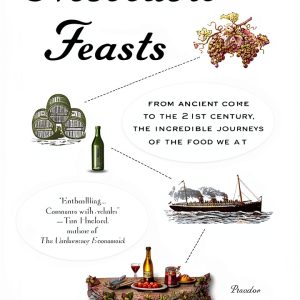
![[Product front view showing all components]](https://www.timelessbuy.store/wp-content/uploads/2026/06/832cc3476cdd4425a9dd74eb7d523c70.jpg)
Published by the University of Wisconsin Press, this ninth‑edition agricultural eBook provides a comprehensive survey of modern farming practices, soil science, crop genetics, and sustainable resource management. The content is organized into clearly defined chapters that guide readers from foundational concepts to advanced applications, making it suitable for both introductory courses and specialized research. Each chapter includes case studies drawn from real‑world farms, data tables, and illustrative diagrams that reinforce key principles. The digital format allows for instant searchability, enabling users to locate specific topics such as pest control strategies or irrigation technologies within seconds. In addition, the author team integrates recent peer‑reviewed findings on climate‑adapted crop varieties, offering readers actionable insights for resilient agricultural systems. The eBook’s layout is optimized for readability on Kindle devices, with adjustable font sizes and margin settings that preserve the integrity of charts and tables across screen dimensions. Supplementary resources such as downloadable worksheets and reference links are embedded throughout the text, allowing learners to deepen their understanding through hands‑on activities and further exploration.
The eBook file occupies only 1 MB, ensuring quick download and minimal storage impact on any Kindle or compatible tablet. Enhanced typesetting technology delivers crisp typography and precise alignment of tables, graphs, and images, which remain clear even at high zoom levels. Accessibility features include full screen‑reader support, Word Wise integration, and adjustable line spacing, catering to readers with diverse visual preferences. The Kindle version also supports page‑flip navigation, allowing users to skim through chapters as if handling a physical book, while the built‑in X‑Ray feature, though not enabled, can be supplemented with external reference tools for deeper term exploration. Version control is managed through Amazon’s cloud platform, guaranteeing that purchasers receive the latest revision without additional cost. The eBook’s metadata includes ISBN‑13 978‑0299309084, enabling libraries and citation managers to catalog the title accurately. Users can also take advantage of Kindle’s built‑in dictionary and translation tools to clarify technical terminology in real time.
Authored by leading scholars in agricultural science, the text reflects decades of field experience and academic research, ensuring that each concept is grounded in practical relevance. The University of Wisconsin Press, renowned for its rigorous peer‑review process, has overseen the editorial development of this title, guaranteeing scholarly integrity and up‑to‑date citations. The ninth edition incorporates recent policy changes, emerging technologies such as precision agriculture, and updated statistical methods, making it a current resource for policy analysts and extension agents alike. Readers benefit from the book’s structured layout, which separates theory from application, allowing seamless transition between learning and implementation. Supplementary appendices provide detailed data sets, glossary terms, and a bibliography of over 300 sources, supporting further investigation and citation in academic work. The eBook’s design also includes clickable chapter headings and a searchable index, streamlining navigation for busy professionals who need rapid access to specific sections. Overall, the combination of scholarly depth and user‑friendly digital features makes this eBook a valuable addition to any agricultural library.
Usage
College students enrolled in agronomy, environmental science, or rural development programs can load the eBook onto their Kindle or any compatible device and study anytime, whether in the classroom, library, or field. The lightweight file eliminates the need to carry bulky textbooks, and the built‑in search function allows quick retrieval of definitions, formulas, or case study references during exam preparation. Because the text is optimized for low‑light reading, learners can review material late at night without straining their eyes, supporting flexible study schedules. Instructors can assign specific chapters as reading assignments, and students can annotate directly within the Kindle app, highlighting key passages and adding personal notes that sync across devices. The eBook’s compatibility with cloud storage ensures that annotations are preserved even if the device is replaced, providing continuity throughout the academic term. Group projects benefit from the shared digital format, allowing teammates to reference the same page numbers and figures during collaborative analysis, which streamlines communication and reduces confusion.
Agricultural consultants and extension officers often work in remote locations where internet connectivity is limited. By downloading the eBook beforehand, they can access the full content offline, consulting the latest guidelines on soil health, pest management, and climate‑smart practices without needing a constant connection. The searchable index enables rapid lookup of region‑specific recommendations, while the integrated glossary clarifies technical jargon, supporting clear communication with farmers and stakeholders. The Kindle’s annotation tools allow professionals to mark sections relevant to a particular client’s situation, creating a personalized reference that can be shared via email or exported as a PDF summary. Additionally, the eBook’s compact size means it can be stored alongside other essential field manuals on the same device, reducing the need for multiple physical books. When combined with other digital resources such as satellite imagery apps, the eBook serves as a knowledge hub, allowing consultants to cross‑reference data and provide evidence‑based recommendations on the spot.
University professors can incorporate the eBook into course syllabi as a primary textbook or supplemental reading, taking advantage of its interactive features to enhance student engagement. The built‑in X‑Ray functionality, while not enabled, can be replaced by external annotation platforms that allow instructors to embed quizzes and discussion prompts directly within the text. This approach encourages active learning, as students can answer questions while reading and immediately see feedback, fostering deeper comprehension of complex agricultural concepts. Course designers can also assign specific sections for group debates, using the eBook’s page‑flip view to synchronize discussion points across all participants, ensuring everyone references the same figure or table. The ability to export highlighted passages into a shared document streamlines the creation of collaborative study guides, which can be updated throughout the semester. Furthermore, the eBook’s compatibility with citation management tools simplifies referencing in research papers, allowing students to generate accurate bibliographies with a single click.
Why Choose Us
The University of Wisconsin Press has a long-standing reputation for publishing authoritative works in the agricultural sciences, backed by rigorous peer review and editorial standards. This eBook benefits from the press’s extensive network of subject matter experts, ensuring that each chapter reflects the latest research findings and industry best practices. By choosing this title, readers gain access to a trusted source that is frequently cited in academic journals and policy documents. The press also provides ongoing updates to digital titles, meaning that any future revisions or errata will be delivered automatically to purchasers, preserving the relevance of the content over time. In addition, the press’s commitment to sustainability aligns with the eBook’s focus on environmentally responsible farming, reinforcing a shared mission of ecological stewardship. Customers also benefit from the press’s responsive customer service team, which can assist with download issues, format compatibility, and provide guidance on maximizing the eBook’s educational features.
Quality assurance processes include multiple rounds of proofreading, layout testing on various Kindle models, and verification of accessibility features to meet industry standards. The enhanced typesetting ensures that tables and figures retain their clarity, while the screen‑reader compatibility guarantees that visually impaired users can navigate the content effortlessly. The eBook also supports Word Wise, offering simplified definitions for complex terminology, which aids comprehension for readers at all proficiency levels. All images are optimized for high‑resolution displays, and the eBook’s metadata is meticulously curated to ensure discoverability in library catalogs and academic databases. Users can also benefit from the built‑in citation export feature, which formats references in APA, MLA, and Chicago styles with a single tap. The publisher also conducts periodic accessibility audits to confirm compliance with the latest WCAG guidelines, reinforcing a commitment to inclusive education. These rigorous standards translate into a reliable, user‑friendly product that performs consistently across devices and operating systems.
Customers receive dedicated support from the University of Wisconsin Press’s technical team, which can troubleshoot download problems, assist with device synchronization, and provide guidance on utilizing Kindle’s advanced features such as note sharing and cloud backup. The publisher also offers a satisfaction guarantee, allowing buyers to request a refund within a specified period if the eBook does not meet their expectations. This level of service underscores the press’s confidence in the product’s quality and its commitment to long‑term customer satisfaction. Additionally, the press provides a roadmap for future enhancements, indicating upcoming integration with emerging e‑learning platforms and potential supplemental multimedia resources such as video tutorials and interactive quizzes. By staying informed about these developments, users can plan to leverage new capabilities as they become available, ensuring that their investment remains valuable over the lifespan of their academic or professional pursuits.
The publisher’s commitment to environmental stewardship is reflected in the eBook’s production process, which utilizes energy‑efficient servers and promotes paper‑free distribution. By choosing a digital format, readers contribute to reduced carbon emissions associated with traditional textbook printing and shipping. The University of Wisconsin Press also partners with agricultural extension networks to disseminate the eBook as part of community outreach programs, expanding its impact beyond academia. This collaborative approach fosters knowledge transfer to farmers, policy makers, and NGOs, reinforcing the press’s role as a catalyst for sustainable agricultural development. Customers thus benefit not only from a high‑quality resource but also from a product that supports broader ecological goals.
Key Features
- Compact 1 MB file size for fast download and minimal device storage.
- Enhanced typesetting delivers clear tables and images on any screen size.
- Full screen‑reader support and Word Wise aid comprehension for all readers.
- Searchable index and clickable chapter headings streamline navigation.
- Responsive customer support and automatic updates keep content current.
FAQ
Can I read this eBook on devices other than Kindle?
Yes, you can use any Kindle app on iOS, Android, PC, or Mac, and the file is compatible with other e‑reader formats that support EPUB conversion.
Does the eBook include any interactive elements or multimedia?
The current edition focuses on text, tables, and static images; however, future updates may add video links and interactive quizzes through the Kindle platform.
What if I have trouble with the screen‑reader functionality?
Our support team can guide you through enabling the screen‑reader settings on your device, and we provide a detailed accessibility guide within the eBook’s front matter.
Is the eBook compatible with older Kindle models?
Yes, the file is formatted to work on all Kindle generations, though some advanced features like enhanced typesetting may appear best on newer devices.
Can I get a print version of this book?
A print edition is available from the University of Wisconsin Press; however, the eBook provides the most up‑to‑date content and includes digital features not found in the printed copy.


Reviews
There are no reviews yet.